How to Add Texture to a Room with Antique & Vintage Decor
Some of the most inviting interiors are those where different materials come together naturally. The worn grain of an old wooden table, the uneven glaze of a pottery bowl, the soft folds of antique linen or the intricate decoration of a gilt mirror. Each brings something different to a room.
Texture plays an important part in how an interior feels. It introduces depth, catches the light in different ways and creates interest even when the colour palette is relatively simple.
Antiques are particularly well suited to decorating with texture. Their surfaces often show evidence of the materials from which they were made, the techniques used to create them and the years of everyday use that followed.
From rustic French pottery to decorative metalwork, here are some of our favourite ways to introduce texture into a room using antique and vintage pieces.
Why Texture Matters in Interior Design
When decorating a room, colour and furniture are often the first considerations, but texture can be just as influential.
A room filled entirely with smooth, polished surfaces can feel quite different from one that incorporates worn wood, natural fibres, aged metal and handmade ceramics. Combining these finishes introduces variation, giving the eye different details to appreciate.
Texture is especially important when decorating with a restrained colour palette. Warm whites, pale blues and earthy neutrals can provide a beautiful backdrop, while contrasting materials prevent the interior from feeling flat.
Antique pieces offer an additional quality. Their surfaces are rarely completely uniform. Variations in colour, subtle irregularities and traces of wear can make even the simplest objects interesting.
1. Worn Wood: Warmth, Grain and Patina
Old wood is one of the easiest materials to introduce when adding texture to a room.
Antique French cutting boards, rustic stools, wooden boxes and aged furniture often have wonderfully varied surfaces. Years of handling may have softened their edges, while marks, scratches and changes in colour reveal the grain of the wood.
In a kitchen, a collection of old chopping boards can be arranged against a wall or grouped on a worktop. Combining different shapes, sizes and wood tones creates interest without requiring much additional decoration.

The contrast between wood and other materials is particularly effective. An old wooden board placed beside a glazed pottery bowl, a copper vessel or folded linen allows the characteristics of each material to stand out.
For living spaces, the same principle applies to antique furniture. A heavily worn wooden stool can sit comfortably beside a more polished table, while an old carved box can introduce intricate detail to a simple shelf or mantel.
Explore our collection of antique French cutting boards and wooden decor.
2. Rustic Pottery: Contrasting Glaze and Terracotta
Antique pottery is particularly interesting when it comes to texture because a single piece can combine several very different finishes.
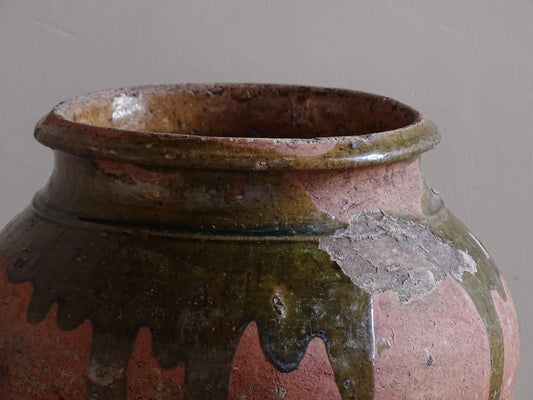
Traditional French earthenware often has a glazed interior or upper section, while the exterior remains partly unglazed. The contrast between a smooth, reflective glaze and the more porous surface of exposed terracotta creates depth within the object itself.
French tian bowls are wonderful examples. Their broad forms allow the glaze to become an important decorative feature, while worn rims and areas of exposed clay introduce further variation.

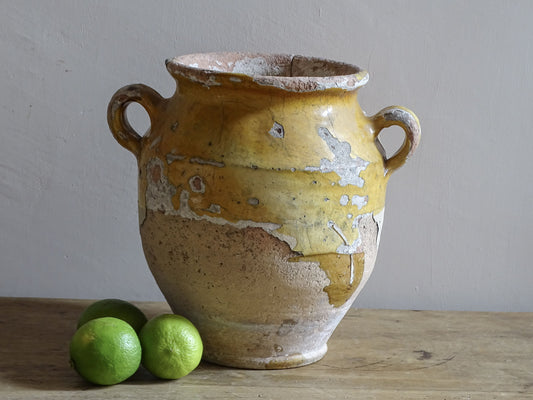
The green glaze of an antique tian can look particularly striking beside aged wood, natural linen or pale stone. Yellow-glazed confit pots, rustic stoneware jars and terracotta vessels offer equally interesting combinations.
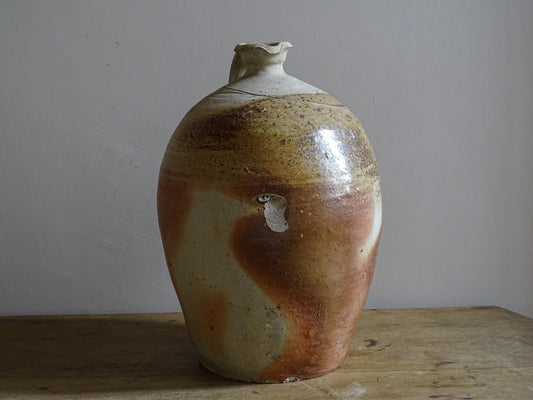
When decorating with pottery, consider mixing different finishes rather than choosing pieces that match exactly. A glossy glazed bowl beside a rough earthenware jar creates a much more varied arrangement than several objects with identical surfaces.
Scale also matters. A substantial antique bowl can provide a focal point, while smaller pots and vessels introduce different heights and forms.
Our guide to decorating with antique French confit pots and vintage pottery explores more ways to incorporate these pieces into the home.
3. Aged Metals: Brass, Copper and Decorative Detail
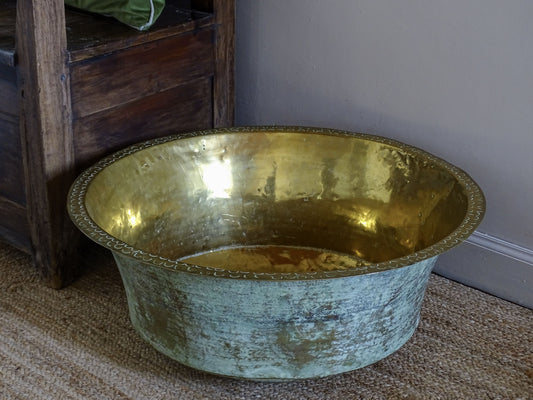
Metal introduces another dimension to decorating with texture, particularly when antique finishes are allowed to retain their natural patina.
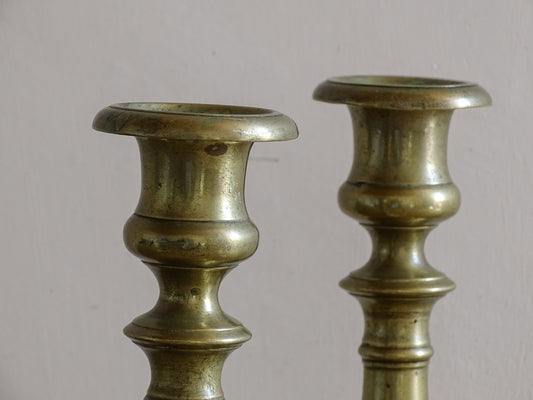
Copper can range from warm reddish-brown to deeper, more muted tones, while old brass often develops variations of gold, brown and darker areas within its decoration. Wrought and cast iron provide a stronger contrast, with their darker colours and more substantial forms.
Ornate antique metalwork also introduces texture through its design.

The sculptural decoration of these antique French brass chenets creates areas of light and shadow across the surface. The raised details, darker recesses and variations in the aged brass finish are what make the metalwork so interesting.
Antique mirrors, candlesticks, fireplace accessories and decorative metal objects can all introduce similar qualities.
For a balanced arrangement, try placing an ornate brass piece beside something with a simpler surface, such as a rustic pottery vessel or a piece of worn wood. The contrast allows the decorative detail to become more apparent.
Combining metal finishes can also work beautifully. Warm copper, aged brass and dark iron need not be kept separate, particularly when they share the natural variations associated with older pieces.
Discover our antique fireplace accessories, including decorative chenets and other pieces for the hearth.
4. Woven Baskets and Antique Linen: Softer Textures
Not all texture needs to come from hard surfaces.
Natural fibres provide an important contrast to pottery, wood and metal, helping soften an arrangement and introducing a different kind of detail.
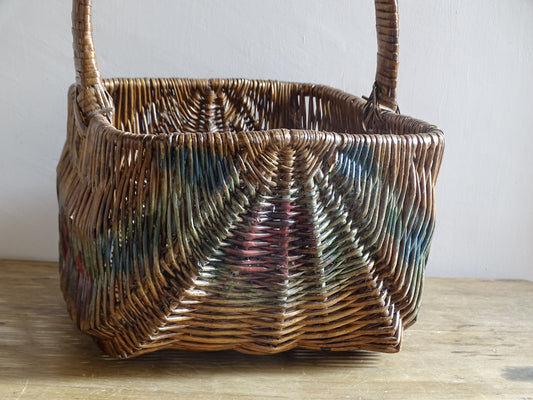
Old wicker baskets are especially attractive because the weaving itself creates a decorative pattern. The individual strands, changes in colour and variations in their construction give each basket a distinct appearance.

Antique linen works particularly well alongside wicker. Its softer folds and finer weave contrast with the structured shape of a basket, while simple details such as woven stripes or embroidered initials can introduce another point of interest.
In a kitchen or dining room, folded vintage linens can be placed beneath pottery, draped over the edge of a basket or arranged on an old wooden table.
Elsewhere in the home, natural textiles can soften heavily carved furniture, ornate mirrors and decorative metalwork.
The combination of woven fibres and more substantial antique objects helps create an interior that feels comfortable and lived in.
5. Combining Soft and Hard Textures
One of the most effective ways to decorate with texture is to bring together materials with contrasting surfaces.
A glazed ceramic bowl, for example, has a very different finish from a piece of antique linen. Placed together, the smooth pottery and soft fabric become more noticeable because of their differences.

In this arrangement, an old pottery bowl filled with fresh figs sits alongside folded French linen and a weathered earthenware vessel.
The irregular glaze of the ceramics, the weave of the linen and the natural surfaces of the fruit create several layers of texture without needing a complicated display.
This approach works particularly well on kitchen tables, dressers and sideboards.
Try combining a few pieces with noticeably different surfaces, such as glazed pottery, worn wood and fabric. Varying their heights and proportions will help the arrangement feel balanced.
It is also worth considering the surrounding furniture. A rustic wooden table or an old painted cupboard can provide another layer of texture, becoming part of the composition rather than simply a surface on which objects are displayed.
6. Mixing Rustic and Refined Antiques
Texture is not limited to rustic materials. Decorative objects with intricate surfaces can be just as important in creating an interesting interior.
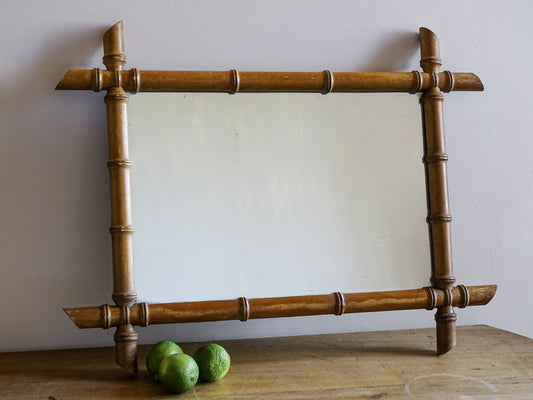
Ornate gilt mirrors, carved wooden boxes, decorative brass objects and antique frames introduce texture through raised patterns, elaborate details and the way light falls across their surfaces.
They can be particularly effective when combined with simpler objects.

Here, a large green-glazed French tian sits alongside an elaborately decorated mirror, a carved wooden box and a weathered yellow pottery pot filled with a fern.
Each piece has a different character, yet the arrangement works through a combination of contrasting materials.
The smooth green glaze contrasts with the rougher terracotta exterior of the bowl. The detailed decoration of the mirror and wooden box introduces more intricate surfaces, while the fern provides a softer, natural element.
Bringing rustic and refined antiques together is a lovely way to create depth in a room. A gilded mirror can sit above an old wooden chest, while a decorative brass candlestick can be paired with a simple pottery jug.
The key is to allow each material enough space to be appreciated, rather than filling every available surface.
How to Add Texture Without Overcrowding a Room
A useful starting point is to choose three contrasting materials and build an arrangement around them.
Worn wood, glazed pottery and natural linen work well together, as do aged brass, terracotta and a carved or painted surface.
Think about the scale of the objects as well as their finishes. One substantial piece can anchor an arrangement, with smaller items providing detail around it.
It can also help to repeat a material in different forms. Two pieces of pottery with contrasting glazes, or several wooden objects with different patinas, can create a connection without looking overly coordinated.
Pay attention to natural light. A smooth glaze or polished metal will reflect light, while rough wood, woven wicker and weathered terracotta absorb it differently. This variation is part of what gives a room depth.
And remember that the surfaces already present in a home contribute to its texture. Old plaster, painted woodwork, stone fireplaces and architectural details can provide a beautiful setting for antique furnishings and decorative objects.
Creating an Interior with Texture and Character
Decorating with texture is as much about the relationship between objects as it is about the individual pieces themselves.
Antique French pottery, worn wooden boards, aged metalwork, woven baskets and decorative mirrors each bring their own materials, finishes and details into a room.
When combined thoughtfully, they create interiors with depth, warmth and plenty of visual interest.
At La Maison de Belasyse, we are particularly drawn to pieces with interesting surfaces and evidence of their age, from richly glazed French pottery to intricately decorated metalwork and well-worn wood.
Explore our French Country Interiors collection for antique and vintage pieces that can bring texture and character into your home.