The French Country Colour Palette: Colours Inspired by Rural France
In the villages and countryside of South West France, colour is everywhere. From faded blue shutters and weathered red doors to the golden ochre of old stone buildings and the many shades of green found in gardens and painted woodwork, the landscape offers a wonderful source of inspiration for decorating.
These same colours can be found in the antiques that have furnished French homes for generations. Mustard-yellow confit pots, richly glazed green pottery, terracotta vessels, worn wooden furniture and rustic stoneware all reflect the natural materials and traditional colours of rural France.
The French country colour palette is not necessarily made up of pale, muted shades. It can be surprisingly rich, combining deep greens, warm yellows and earthy reds with softer creams, browns and blues.
What makes these colours particularly interesting is their variation. A single piece of antique pottery might contain several different shades, where old glaze has worn away to reveal the natural clay beneath. Rather than looking for perfectly matching colours, this variation can be used to create an interior that feels warm, comfortable and thoughtfully collected.
A Natural Foundation: Cream, Stone and Warm Browns
The foundations of a French country colour palette often begin with the natural materials used in traditional buildings and furnishings.
Limestone, limewashed walls, aged plaster, natural linen and old wooden furniture introduce a wide range of neutral tones. Rather than pure white or uniform beige, these colours tend to have subtle variations, from warm cream and pale sand to deeper taupe, grey-brown and honey-coloured wood.

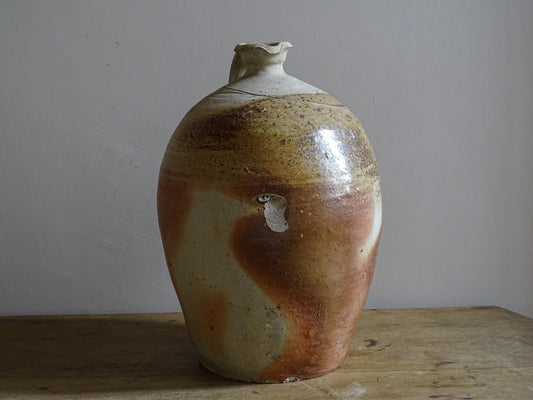
Antique stoneware is a lovely example of how varied these neutral colours can be. Traditional jugs and vessels often combine creamy beige with warm brown glazes, occasional reddish tones and areas of exposed clay.
These colours provide a natural starting point when decorating a room. A pale painted wall can sit alongside an old wooden table, while a collection of rustic stoneware introduces further shades without changing the overall colour scheme.
Natural materials also allow stronger colours to be introduced without overwhelming the room. Richly coloured pottery, painted furniture and decorative antiques stand out particularly well against these softer backgrounds.
Soft Blues: Painted Woodwork and Weathered Shutters
Blue is frequently associated with French country decorating, particularly the soft, slightly greyed shades found on shutters, doors and old painted furniture.
In South West France, these colours can range from pale powder blue to deeper blue-grey, often softened by years of exposure to the weather.

The pale-blue window frames of this historic building in South West France provide a beautiful example. Set against the warm limestone and weathered plaster, the blue introduces a gentle contrast without appearing too strong.
This combination works equally well indoors.
Soft blue can be introduced through painted furniture, antique textiles or smaller decorative details. It pairs particularly well with warm whites, natural linen, old wood and the golden tones of French pottery.
A pale-blue cupboard, for example, can provide a lovely backdrop for yellow-glazed confit pots or a collection of brown stoneware jugs.
The warmth of the surrounding materials helps balance the cooler blue, creating a colour combination that feels relaxed rather than overly coordinated.
Ochre and Golden Yellow: The Warmth of Traditional French Pottery
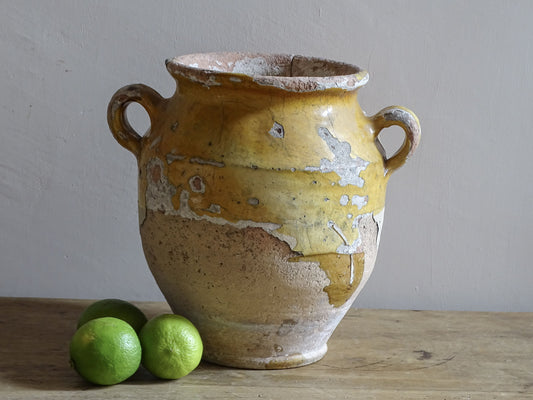
Among the most recognisable colours of traditional French pottery are the warm yellows and ochres associated with confit pots, tian bowls and other everyday earthenware.
These glazes vary considerably. Some are a soft, pale honey colour, while others range from mustard yellow to deep golden ochre, occasionally with brown or green undertones.

The collection of antique pottery shown here demonstrates just how varied these colours can be.
Areas of worn glaze reveal pale clay and natural terracotta, breaking up the stronger yellow and introducing several complementary shades within each vessel.
This makes antique yellow pottery particularly easy to incorporate into French country interiors.
A large yellow confit pot can become a focal point on a rustic sideboard, while smaller jars work beautifully grouped on shelves or displayed alongside old wooden boards and natural linen.
Ochre also combines particularly well with darker greens, warm browns and soft blue, making it an excellent colour for bringing different elements of a room together.
Explore our collection of antique French confit pots, including traditional yellow and green glazed earthenware.
French Greens: From Glazed Earthenware to Painted Woodwork
Green is another important colour within French country interiors, appearing in everything from old pottery glazes to painted doors, shutters and traditional shopfronts.
One of the most interesting aspects of green is the range of shades it offers.
Antique French pottery can feature particularly rich greens, sometimes approaching emerald, while weathered painted woodwork often develops softer tones of olive, moss and sage.

In this collection of antique French pottery, the brighter green glazes contrast with the natural terracotta of the large tian bowl and the dark brown of the wooden furniture.
The combination works because the stronger greens are balanced by the surrounding earthy colours.
A green-glazed bowl or pot can introduce a wonderful splash of colour to a kitchen, dining room or living space. Set against an old wooden table or pale painted surface, the richness of the glaze becomes particularly noticeable.
For a softer approach, the muted greens found in traditional painted woodwork offer another source of inspiration.

This old French shopfront, with its faded olive-green paint, illustrates a very different shade from the brighter greens of glazed pottery.
The colour has softened with age, taking on subtle variations across the wooden panels and decorative details.
Olive and sage greens work beautifully with cream, natural stone, terracotta and darker brown wood. They can be introduced through painted cupboards, furniture or interior woodwork, providing a subtle background for more colourful antique pieces.
Combining different shades of green can also work particularly well. A deep green pottery bowl displayed against a softer olive-painted surface creates a pleasing relationship between the two colours without requiring an exact match.
Terracotta and Earthy Reds: Colours of the French Countryside
The warm reds and oranges of terracotta are closely connected to the traditional architecture and pottery of rural France.
Terracotta roof tiles, old brickwork and exposed earthenware all introduce shades ranging from pale orange and dusty rose to deeper rust, russet and reddish-brown.
These colours are often particularly beautiful when combined with natural stone and weathered wood.

The pottery arrangement shown here brings together several examples of these earthy colours.
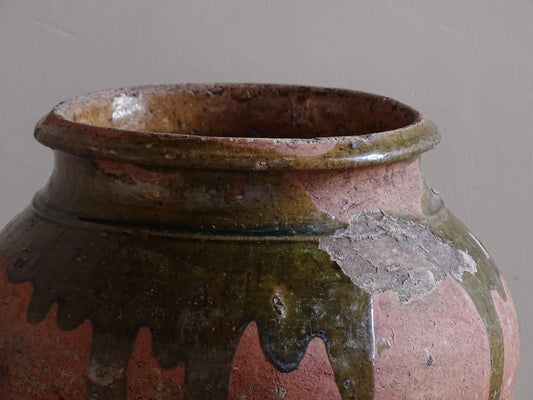
The unglazed vessels have soft, natural tones, while the darker reddish-brown glaze and green-glazed terracotta pot introduce richer contrasts.
Although the pieces vary in colour and finish, they work together through their shared earthy undertones.
Terracotta is especially useful for adding warmth to a room decorated primarily in cream, beige or pale grey. A large rustic pot, a collection of smaller earthenware vessels or an old terracotta bowl can introduce colour without the need for brighter accessories.
These same tones are found throughout French village architecture.

This weathered red door, framed by old stonework and exposed brick, demonstrates how beautifully earthy reds work with natural neutrals.
The faded paint has a softness that complements the surrounding limestone, while the small variations in the brickwork introduce further warmth.
Indoors, similar shades can be combined with rustic wooden furniture, natural linen, cream walls and olive-green accents.
Even a relatively small amount of earthy red can provide a pleasing contrast within an otherwise neutral interior.
Bringing a French Country Colour Palette into the Home
One of the pleasures of decorating with a French country colour palette is that the colours can be introduced gradually, rather than requiring an entire room to be redecorated.
Starting with natural materials is often the simplest approach.
Cream or pale stone-coloured walls provide a versatile background, while wooden furniture, linen and rustic stoneware introduce warmth through their own natural shades.
From there, stronger colours can be incorporated through carefully chosen decorative objects.
In a kitchen, a collection of green and yellow glazed pottery can sit alongside old chopping boards, copper cookware and folded linen. The brighter glazes introduce colour, while the wood and natural fabrics help connect the different pieces.
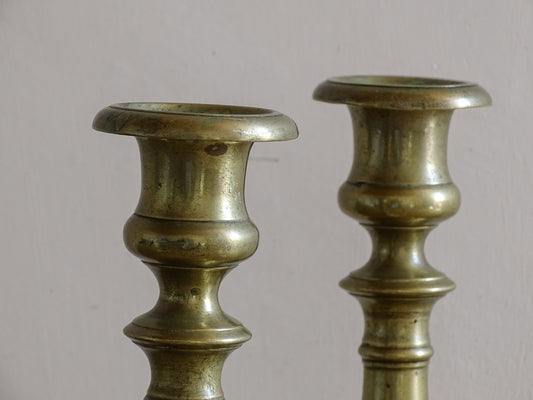
In a living room, a deep terracotta vessel might sit on an antique wooden side table, with a gilt mirror or decorative brass object introducing a warmer metallic note. A pale-blue painted cupboard or a soft green piece of furniture can provide a contrasting colour without competing with the pottery.
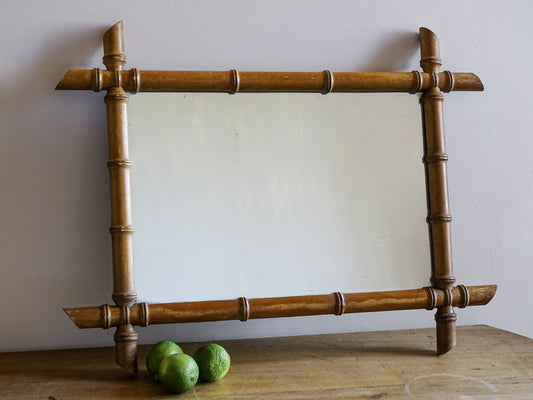
It can also help to repeat certain colours in different forms. A touch of ochre in an antique pot might be echoed by the warm tone of an old wooden frame, while the green of a glazed bowl can connect with an olive-painted cupboard or the foliage of a houseplant.
The aim is not to match every object, but to allow the colours to relate to one another.
The Beauty of Colour That Changes with Age
An important characteristic of the French country colour palette is that the colours are rarely completely uniform.
Antique pottery is perhaps one of the clearest examples.
A yellow-glazed confit pot may have areas where the glaze has worn away, revealing pale terracotta beneath. A green tian bowl might combine a deep, glossy interior with an unglazed brown exterior. Even pieces of stoneware that appear relatively neutral can contain subtle shades of red, grey, ochre and cream.
The same can be said of old painted shutters, weathered doors and traditional French buildings, where age and exposure create variations in the original colour.
These changes are part of what makes older objects and materials so visually interesting.
When introducing colour through antiques, it is worth considering the entire piece rather than only its most prominent shade. The natural clay beneath a glaze, the patina of old metal or the warm grain of wooden furniture can all help connect different colours within a room.
For more ideas on combining these materials, read our guide to adding texture to a room with antique and vintage decor.
Creating Your Own French Country Colour Palette
There is no single colour combination that defines a French country interior.
Some rooms may favour the softer shades of limestone, faded blue and natural linen, while others embrace the deeper greens, golden yellows and earthy reds found in traditional French pottery.
What connects these different approaches is the use of natural materials and colours that complement one another.
Here at La Maison de Belasyse, we are particularly drawn to the colours found in the antique pottery, rustic furniture and decorative objects we discover throughout France. The variations in their surfaces and finishes provide endless inspiration for combining colour in the home.
Whether introducing a single green-glazed bowl, a collection of mustard-yellow confit pots or a substantial terracotta vessel, antique pieces offer a lovely way to build a personal colour palette over time.
Explore our French Country Interiors collection for antique and vintage pieces that bring the colours and materials of rural France into the home.