French Brocante Finds: What to Look for When Buying Vintage Decor Online
A French brocante is rarely arranged in neat categories. Pottery may sit beside old mirrors, framed prints, lighting, baskets and objects whose original purpose is not immediately obvious. Part of the pleasure is finding an individual piece that catches your attention, rather than shopping from a predetermined list.
Buying vintage decor online offers access to pieces that may be difficult to find locally, but it also means making a decision without being able to pick an object up, examine its surface or judge its scale in person. Clear photographs, accurate measurements and a detailed condition description therefore become particularly important.
Whether you are looking for a substantial piece of French pottery, an aged mirror or a smaller decorative find, the same principles can help you buy with greater confidence. Our wider collection of French antiques and vintage pieces brings together objects sourced individually in France, but the advice below can be applied whenever you are buying vintage decor online.

Begin with the piece itself, not just its description
Names and descriptions can vary considerably when buying antiques online. The same piece might be described as a jar, pot, vessel, planter or decorative object depending on its shape, region and original purpose.
Search terms are useful for finding pieces, but once something has caught your attention, look beyond the title. Consider its form, proportions, materials and surface. Does it have a shape that will work on a particular table or shelf? Is it substantial enough to stand alone, or would it work better as part of a group?
Unusual objets d’art and decorative objects can be particularly rewarding because they do not always fit easily into a conventional category. Their appeal may lie in their shape, finish or decorative presence rather than their original function.
It is also worth thinking about what drew you to the piece in the first place. A particular glaze, an irregular handmade form or an aged surface is often more important than finding something that conforms perfectly to a named style.
Read the condition carefully
Antique and vintage pieces will usually show signs of age and use. These might include surface marks, worn gilding, foxing to mirror glass, tarnishing, small chips, glaze losses or variations caused during firing.
These details do not necessarily detract from a piece. In many cases, they are precisely what gives it its decorative quality. However, there is a difference between wear that affects appearance and damage that affects stability or future use.
A small rim chip on a pot intended for display may be perfectly acceptable. A long crack, loose handle or unstable base deserves closer consideration. With furniture and wooden objects, look for loose joints, old repairs and evidence of woodworm. With mirrors, inspect both the glass and the frame, particularly the corners and decorative details.
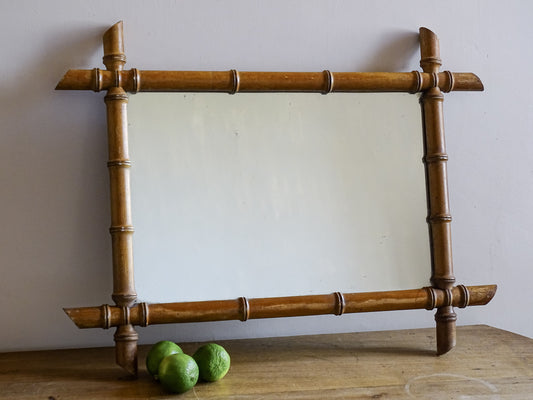
When looking through antique mirrors and wall decor, for example, foxing may be part of what makes an old mirror appealing. It should nevertheless be clearly photographed so that you can judge how much of the reflection is affected.
A good description should distinguish between general signs of age and any particular flaws that a buyer needs to know about.

Foxed glass, worn gilding and other signs of age can add character, provided the condition is clearly shown and described.
Use the photographs to examine the entire piece
Photographs are one of the most important parts of an online antique listing. Do not look only at the main styled image. Check whether the listing also shows the back, base, interior and underside where relevant.
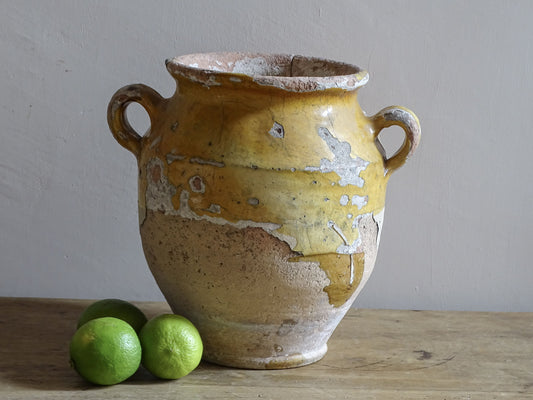
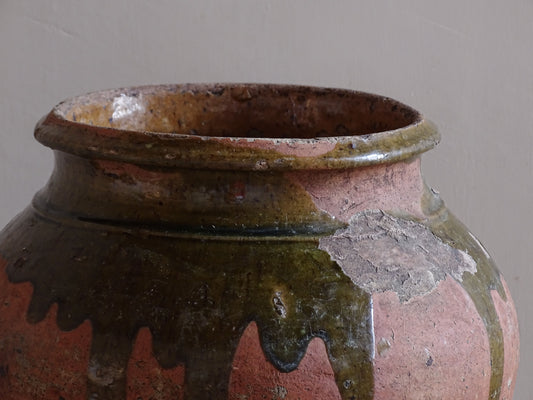
For pottery, pay particular attention to the rim, handles and base. Look for cracks, chips, old staples, repairs and areas where the glaze has been lost. Handmade pottery may also have firing marks, irregular edges and variations in colour that were present from the beginning.
For mirrors and framed objects, look at the frame corners, backboards, hanging fittings and the condition of the glass. Vintage lighting should be shown from several angles, with clear information about the fitting and any wiring that is included.
Close-up photographs are especially helpful, but wider images also matter. They show how the object reads as a whole and whether a small area of wear is noticeable once the piece is viewed from a normal distance.
Lighting, reflections and styling can sometimes obscure a surface, so ask for additional photographs if anything remains unclear. A reputable seller should be willing to provide them.
Check every measurement
Objects frequently appear larger or smaller online than they are in reality. A close-up photograph can make a small bowl seem substantial, while a large pot photographed alone may have very little visual context.
Check the full height, width and depth, not just the most obvious measurement. For vessels, the width of the opening may also matter. For mirrors and artwork, consider the overall frame size rather than only the visible glass or image.
Weight is worth checking too, especially if you intend to place the piece on a shelf, hang it on a wall or move it regularly.
Before buying, use a tape measure to mark out the dimensions in the intended space. For wall pieces, painter’s tape or a paper template can help you understand the proportions. For bowls and vessels, compare the dimensions with an object you already own.
This is particularly helpful when buying antique French pottery, where similar shapes can range from small tabletop pots to very large floor-standing vessels.

Photographs can make it difficult to judge scale, so always compare the listed measurements with the space you have in mind.
Consider how you intend to use it
A piece does not have to retain its original purpose to work beautifully in a home. Old bowls can hold fruit or collected objects, substantial pots can be displayed empty, and smaller vessels can be used for dried stems or greenery.
However, it is important not to assume that an antique object is suitable for every modern use. Unless specifically stated otherwise, antique ceramics are best treated as decorative rather than food-safe. Older pots may also be porous or have fine cracks that make them unsuitable for holding water without a liner.
Lighting requires additional care. Check whether an old fitting has been rewired, whether it is compatible with your country and what additional components may be needed. Vintage and antique lighting should be checked and installed by a suitably qualified electrician.
Think practically about where a piece will live, but do not feel that it needs an elaborate purpose. A well-proportioned bowl, urn or mirror can be enough on its own.

Consider how the shape, colour and proportions of a piece will work with the furniture and objects already in your home.
Decide which signs of age you like
Patina is personal. Some buyers enjoy heavily worn surfaces, while others prefer pieces that retain more of their original finish.
It helps to decide which signs of age appeal to you before you begin shopping. You may love the irregular glaze and worn rims of old country pottery but prefer mirrors with a clearer reflection. You might be drawn to dark, tarnished metalwork while wanting wooden pieces to have a more even finish.
There is no single correct level of wear. The important thing is that the condition is accurately described and suits both your taste and the way you intend to use the object.
Repurposed pieces can also be interesting. Old domestic and decorative objects are sometimes adapted into lamps or given a new use long after they were first made. In these cases, consider both the original object and the quality of the later conversion.

Mixing pottery with lighting, metalwork and other decorative finds helps a collection feel personal rather than overly coordinated.
Look for specific, transparent descriptions
A useful listing should tell you what the piece is made from, its approximate age where known, its measurements and its condition. It should also mention repairs, replacements or later alterations.
Be wary of descriptions that rely entirely on broad phrases while avoiding practical details. Attractive language cannot replace clear photographs and accurate information.
It is also helpful to know whether the photographs show the exact item you will receive. With antique and vintage pieces, small differences in glaze, wear and form mean that one example should not be treated as interchangeable with another.
Where the age, maker or precise origin is uncertain, a careful seller should say so rather than present an attribution as fact. Antiques do not always come with a complete history, and an honest degree of uncertainty is preferable to a confident but unsupported claim.
Think about delivery before completing the purchase
Large, heavy and fragile objects require suitable packing, so check the shipping arrangements before buying. Look for information about the carrier, tracking, insurance and what to do if an item arrives damaged.
For international purchases, consider whether customs duties or import taxes may be payable in addition to the item and shipping price. Regulations differ by destination, so it is useful to understand this before placing an order.
You should also check the seller’s return policy and the timeframe for reporting transit damage. Keep all packaging until you are satisfied that the piece has arrived safely.
At La Maison de Belasyse, our shipping and delivery information explains international delivery, customs, packing and what to do if a parcel arrives damaged.
Build a collection gradually
A collected interior rarely comes from buying everything at once. It develops through individual pieces that work with what is already there.
Rather than trying to reproduce a complete French look, begin with objects that appeal to you independently. A large pot might provide height in a room, an aged mirror can add depth, and a small bowl or decorative object can introduce colour without dominating a display.
Pieces do not need to match. Repeating a material, colour or shape is often enough to connect them. Glazed pottery can sit alongside wood, metal and framed art, while a formal mirror can work particularly well above a rustic table or simple shelf.
Buying vintage decor online requires a little more attention than buying something newly made, but that consideration is part of the process. Check the photographs, read the description, measure your space and ask questions where necessary. The aim is not to find a flawless object, but to understand exactly what you are buying and to choose a piece that will work in your home.
Explore our French Country Interiors collection for antique pottery, mirrors, artwork, copper and decorative pieces sourced individually in France.